


How Does a High-Sensitivity Food Metal Detector Eliminate Metal Foreign Bodies
Introduction
Food safety has become a critical concern for manufacturers, processors, and consumers worldwide. During food production, metal foreign bodies may accidentally enter products due to equipment wear, raw material contamination, or maintenance operations. These contaminants can affect product quality, damage brand reputation, and create serious safety risks.
A high-sensitivity food metal detector is an advanced inspection solution designed to identify and remove metal contaminants quickly and accurately from food production lines. By using advanced electromagnetic detection technology, these systems help manufacturers maintain strict quality control and comply with international food safety standards.
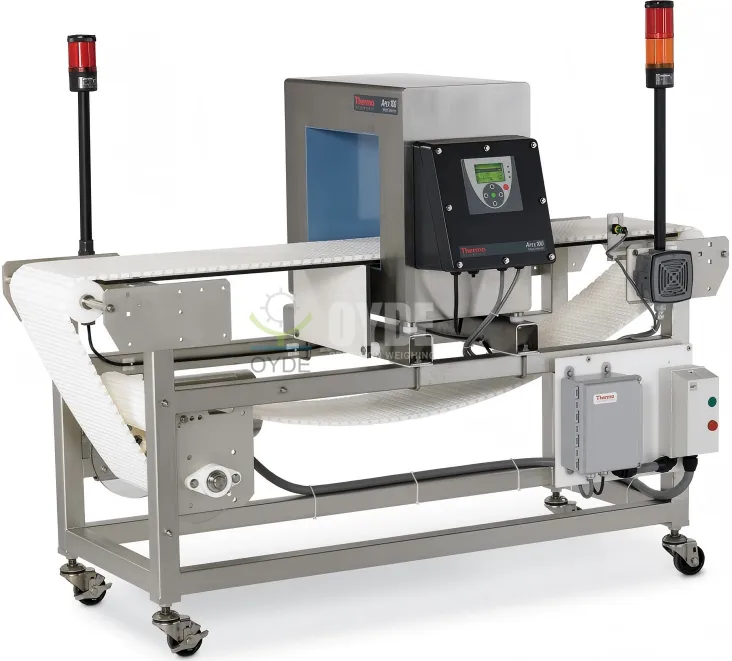
What Is a High-Sensitivity Food Metal Detector?
A high-sensitivity food metal detector is an automated inspection machine used to detect metallic contaminants in packaged or unpackaged food products. It can identify various types of metal particles, including:
Stainless steel fragments
Iron particles
Non-ferrous metals such as aluminum and copper
Unlike traditional inspection methods, modern food metal detectors provide continuous, non-contact detection without affecting the quality, appearance, or taste of food products.
These machines are widely used in industries such as:
Meat and poultry processing
Seafood processing
Bakery and snacks
Frozen food production
Dairy products
Fruits and vegetables
Pharmaceutical and nutritional products
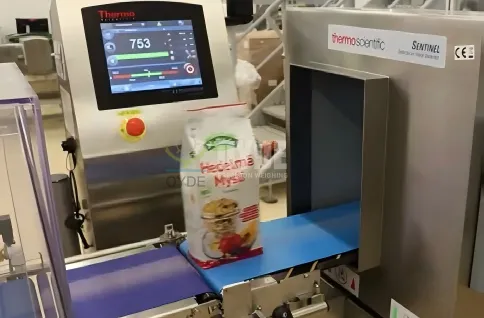
How Does a Food Metal Detector Detect Metal Contaminants?
The working principle of a high-sensitivity metal detector is based on electromagnetic induction technology.
The detection process generally includes the following steps:
1. Creating a Stable Electromagnetic Field
The metal detector contains a detection coil that generates a high-frequency electromagnetic field. When food products pass through the inspection area, the system continuously monitors changes in this electromagnetic environment.
2. Detecting Changes Caused by Metal Objects
When a metal foreign body enters the detection zone, it interacts with the electromagnetic field and creates a signal disturbance. The detector analyzes this signal change and determines whether metal contamination exists.
Advanced digital signal processing technology allows the machine to distinguish real metal signals from environmental interference, improving detection accuracy and reducing false alarms.
3. Identifying and Removing Contaminated Products
Once a metal contaminant is detected, the control system immediately sends a signal to the rejection device. Depending on the production line requirements, different rejection methods can be used, including:
Air blast rejection
Push arm rejection
Drop-down belt rejection
Stop alarm systems
The contaminated product is automatically removed from the production line, ensuring that only qualified products continue to the packaging or shipping process.
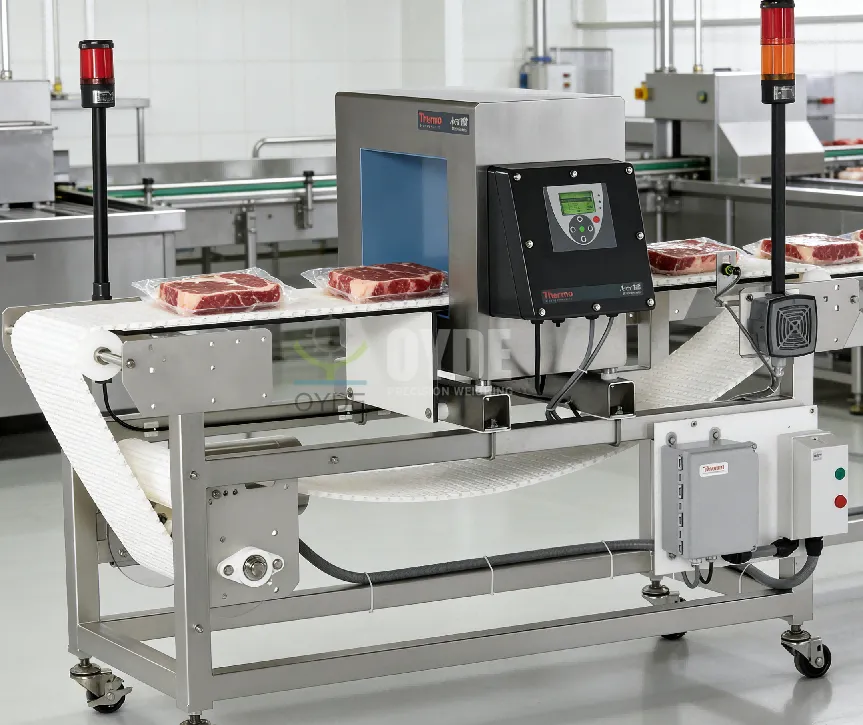
Key Technologies Behind High-Sensitivity Metal Detection
Advanced Digital Signal Processing
Modern food metal detectors use intelligent algorithms to process detection signals. This technology improves sensitivity and stability while reducing interference caused by product characteristics, vibration, temperature changes, and surrounding equipment.
Multi-Frequency Detection Technology
Different food products have different conductivity characteristics. Multi-frequency technology allows the detector to select suitable detection frequencies for various applications, improving the ability to detect small metal particles in challenging products such as wet foods, frozen products, and high-salt foods.
Automatic Product Compensation
Some food products naturally generate signals because of moisture, salt content, or mineral ingredients. Automatic product compensation technology helps the detector separate normal product effects from actual metal contamination.
This ensures reliable inspection performance while maintaining high production efficiency.
Why Is High-Sensitivity Metal Detection Important for Food Production?
Protecting Consumer Safety
Even small metal fragments can create potential hazards for consumers. Metal detectors provide an effective safety barrier by identifying and removing contaminated products before they reach the market.
Improving Food Quality Control
A reliable inspection system helps food manufacturers maintain consistent product quality and reduce the risk of customer complaints, recalls, and production losses.
Meeting Food Safety Standards
Many food manufacturers follow strict quality management systems, including HACCP, BRC, IFS, and other international food safety requirements. Installing a high-performance metal detection system helps companies strengthen their quality control processes.
Reducing Production Risks
Metal contaminants can damage downstream equipment such as packaging machines and processing systems. Early detection helps prevent equipment damage and unexpected downtime.
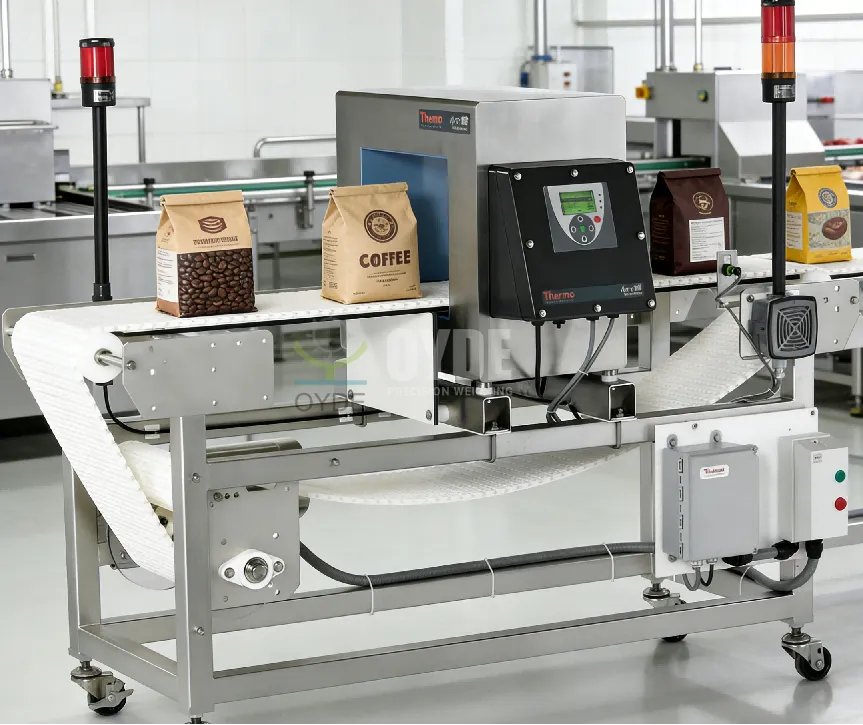
Applications of High-Sensitivity Food Metal Detectors
High-sensitivity metal detectors are suitable for various food production environments:
Meat and Poultry Processing
During cutting, grinding, and packaging processes, metal fragments may come from knives, machinery parts, or production equipment. Metal detection ensures safe final products.
Seafood Processing
Seafood products often require strict inspection due to complex processing environments. Metal detectors help remove metal contaminants from fresh, frozen, and packaged seafood products.
Snack and Bakery Production
Products such as chips, biscuits, bread, and confectionery require reliable inspection before packaging. High-sensitivity detectors provide fast and accurate contamination detection.
Frozen Food Production
Frozen products can be challenging to inspect due to moisture and temperature conditions. Advanced metal detection technology provides stable performance even in demanding environments.
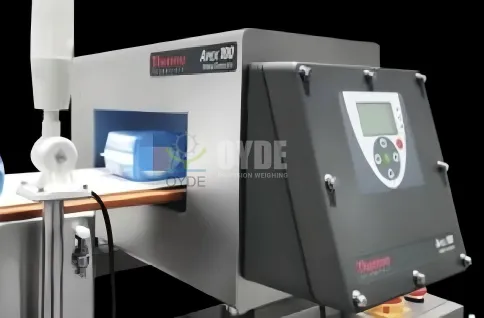
Features of OYDE High-Sensitivity Food Metal Detector
As a professional food inspection equipment manufacturer, OYDE provides high-performance metal detection solutions designed for modern food processing lines.
Key features include:
High detection sensitivity for small metal contaminants
Stainless steel structure suitable for food production environments
Intelligent digital control system for easy operation
Automatic rejection system for contaminated products
High-speed inspection capability for continuous production
Water-resistant design for demanding processing conditions
Easy cleaning and maintenance
OYDE metal detectors can be customized according to different product types, packaging materials, production speeds, and factory requirements.
How to Choose the Right Food Metal Detector?
When selecting a metal detection system, manufacturers should consider several factors:
Product Characteristics
The moisture content, temperature, size, and packaging material of the product can affect detection performance. Choosing the correct detection technology ensures better accuracy.
Detection Sensitivity Requirements
Different industries have different contamination control requirements. A high-sensitivity detector should be selected based on the smallest metal particle size that needs to be detected.
Production Line Speed
The detector should match the speed of the production line to avoid production bottlenecks and ensure efficient operation.
Environmental Conditions
Food factories may have conditions such as humidity, water cleaning, dust, or temperature changes. A suitable machine design ensures long-term stable operation.
Get a Quote
*RequiredPlanning to upgrade your weight sorting system?
Share your application details and our team will recommend a suitable solution.