


High Sensitivity Food Metal Detector for Seafood Processing
Seafood processing demands the highest standards of hygiene, safety, and product quality. From shrimp and fish fillets to shellfish and ready-to-eat seafood, even the smallest metal contamination can lead to serious food safety risks, costly recalls, and damage to brand reputation. A high sensitivity food metal detector is therefore an essential piece of equipment in modern seafood processing lines.
Why Metal Detection is Critical in Seafood Processing
Seafood products are particularly vulnerable to metal contamination due to multiple processing stages, including cutting, de-shelling, sorting, and packaging. Common sources of contamination include:
● Broken machine parts (blades, screws, mesh fragments)
● Processing equipment wear and tear
● Human handling errors
● Raw material contamination from fishing equipment
Without proper detection, these contaminants can easily enter the final product, posing risks to both consumers and manufacturers.

What is a High Sensitivity Food Metal Detector?
A high sensitivity food metal detector is an advanced inspection system designed to identify and reject metal contaminants from food products. It is capable of detecting:
● Ferrous metals (iron, steel)
● Non-ferrous metals (copper, aluminum)
● Stainless steel (even difficult-to-detect grades like 304 & 316)
These systems are specifically engineered for wet, salty, and temperature-variable environments—making them ideal for seafood processing.
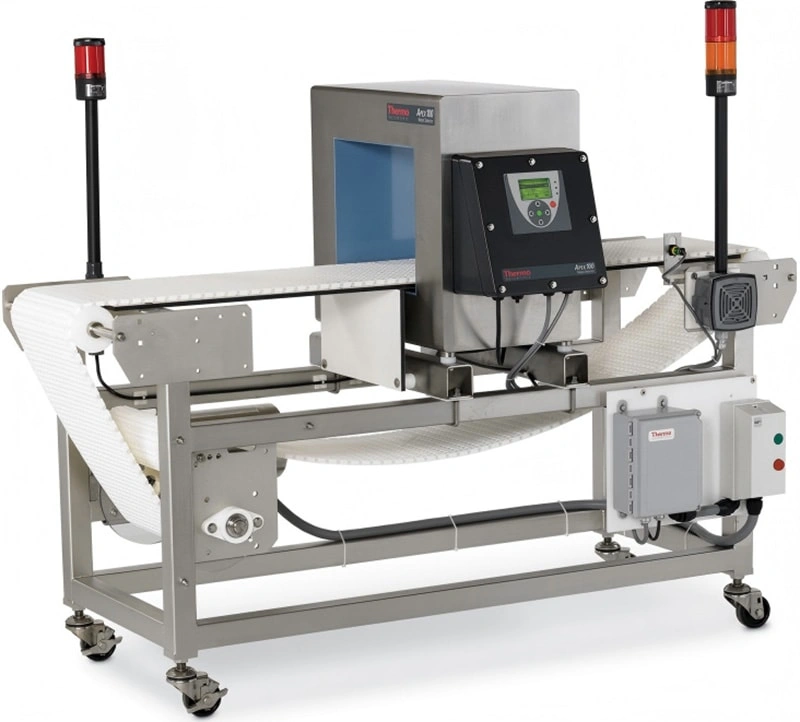
Key Features and Advantages
1. Ultra-High Detection Sensitivity
Advanced sensor technology ensures accurate detection of even tiny metal particles, reducing contamination risks.
2. Strong Anti-Interference Capability
Seafood products often have high moisture and salt content, which can interfere with detection. Modern systems use intelligent algorithms to minimize product effect.
3. Hygienic Design for Food Safety
Constructed with food-grade stainless steel, featuring waterproof (IP66/IP69) and easy-to-clean structures to meet strict hygiene standards.
4. Automatic Rejection System
Contaminated products are automatically removed via pushers, air blasts, or drop flaps, ensuring continuous production.
5. User-Friendly Operation
Touchscreen interfaces, multi-language support, and quick product setup simplify operation for workers.
6. Seamless Integration
Can be easily integrated with conveyor systems, checkweighers, and packaging machines for a fully automated production line.
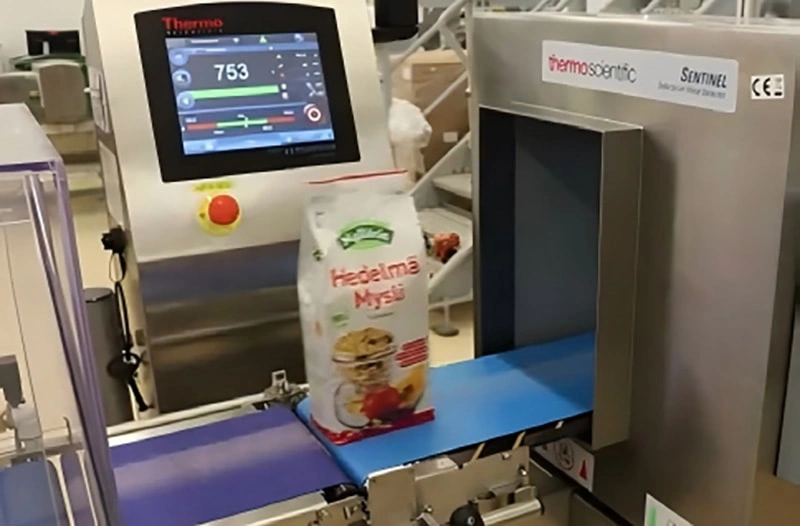
Applications in Seafood Processing
High sensitivity metal detectors are widely used in:
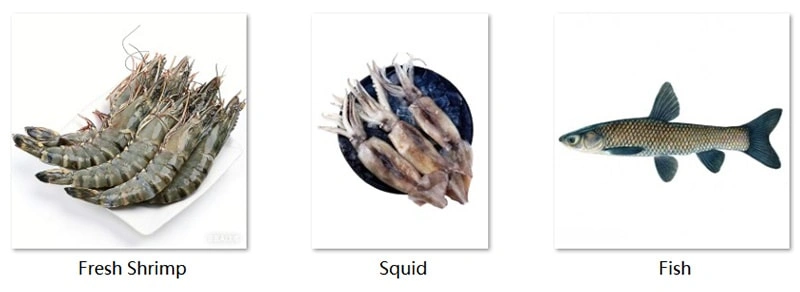
● Shrimp processing lines (raw, cooked, peeled)
● Fish fillets and portioned fish products
● Squid, octopus, and shellfish
● Frozen seafood and IQF products
● Ready-to-eat seafood meals
They can be installed at different stages, such as after cutting, before packaging, or at the final quality inspection point.
Benefits for Seafood Manufacturers
Implementing a high sensitivity metal detector brings significant advantages:
● Enhanced Food Safety Compliance (HACCP, FDA, EU standards)
● Reduced Risk of Product Recall
● Improved Brand Reputation
● Higher Customer Trust and Satisfaction
● Increased Production Efficiency
Choosing the Right Metal Detector
When selecting a metal detector for seafood processing, consider:
● Product type (fresh, frozen, packaged)
● Conveyor speed and line capacity
● Required detection sensitivity
● Environmental conditions (humidity, washdown requirements)
● Integration with existing equipment
A customized solution ensures optimal performance and long-term reliability.
Get a Quote
*RequiredPlanning to upgrade your weight sorting system?
Share your application details and our team will recommend a suitable solution.